The Drone Insurance Reality Check: What Your Home Policy Will and Won't Pay For
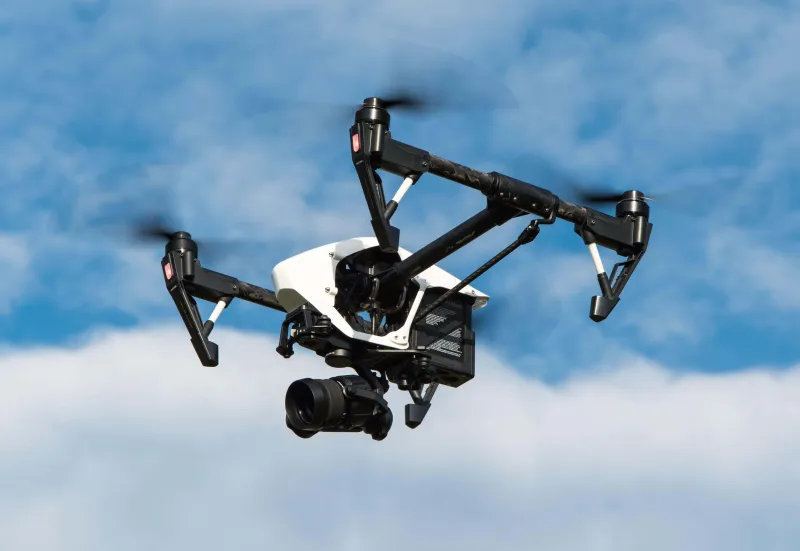
Photo: drone insurance paperwork policy documents on desk with small quadcopter, via wallpapers.com
You can buy a year of proper drone cover for roughly the price of a decent Sunday roast, or you can assume the contents policy already has it handled and discover the truth at the worst possible moment. Most UK pilots live in the fuzzy middle: fairly sure something is covered, not remotely sure what. This is a practical walk through the paperwork, not a sales pitch for any particular insurer.
The one word that decides most claims: 'aircraft'
Dig out the policy booklet and search for the word aircraft. You will usually find it in one of two places: the general exclusions list, or the definitions section where it is stretched to cover anything that flies, including model aircraft and unmanned aircraft. A great many standard home contents policies exclude aircraft of any kind from both the contents section and the personal liability section. Others allow model aircraft but cap the value, or require the item to be listed separately.
The practical upshot is that two neighbours on the same street, insured with different providers, can get completely opposite answers after an identical crash. Nothing about the drone changed. The wording did.
What a contents policy is genuinely good for
Where home cover does earn its keep is boring, indoor, non-flying risk:
- Theft from your home, including a shed or garage, provided the drone falls under the contents sum insured and any single-article limit.
- Fire, flood and accidental damage at home, subject to the usual excess and the accidental damage add-on if you have it.
- Personal possessions away from home, if you have paid for that extension. Watch the single-item cap, which is frequently £1,000 to £1,500 and sometimes much lower for gadgets.
- Battery fires in the hallway, which is a real scenario and one where your liability section may well respond, because that is a household accident rather than a flying one.
That last point is worth sitting with. A LiPo that vents while charging on a carpet is a home insurance problem. A drone that lands on a neighbour's greenhouse is usually a flying problem, and flying problems are where the exclusions live.
Where the cover quietly stops
Read the exclusions with a highlighter. The familiar culprits:
- Loss or flyaway while airborne. Once the drone leaves the ground and does not come back, most household policies treat it as an aircraft loss, not a stolen item.
- Crash damage to the drone itself, unless accidental damage cover applies and the aircraft exclusion does not swallow it first.
- Third-party injury or property damage caused in flight. This is the expensive one. Personal liability sections are built for slips on your driveway, not for a 900g quad hitting a windscreen.
- Any commercial use whatsoever. Fly one paid job and most household policies will treat the whole claim as outside the scope of domestic cover.
Recreational flying versus commercial work
The legal line in the UK is not quite the same as the insurance line, and mixing them up is where people get caught. Recreational flights do not carry a blanket legal duty to hold third-party insurance. Commercial operations do, and the retained regulation sets a minimum level of third-party liability cover that sits well above what most people imagine.
But here is the bit that matters more day to day: the CAA's definition of commercial is broader than 'I got paid for a wedding video'. If you are flying to promote your own business, monetising a YouTube channel with ad revenue, or doing survey work for a client, you are very likely outside the recreational lane. A domestic contents policy will not follow you there, no matter how small the fee.
Membership organisations are the traditional shortcut. The BMFA and FPV UK both bundle public liability cover into membership for recreational members, with limits in the millions. Read the conditions on where and how you can fly, though, because those schemes are tied to the spirit of the hobby rather than to commercial work.
Four claim scenarios, walked through
The flyaway over next door's garden. Your drone climbs, drifts, and vanishes over the fence, clipping a conservatory roof on the way. Contents: probably declined on the aircraft exclusion, and the liability section likely falls with it. A specialist policy with third-party cover responds to the conservatory; whether it pays for the lost drone depends on whether you bought hull cover or just liability.
The low pass into a parked car. Same exclusion applies, and the car owner's insurer may pay out and then look to recover from you. This is exactly the scenario drone-specific public liability exists for, and exactly the one household policies are least likely to touch.
Theft from a car boot at a beauty spot. Standard contents will not help unless you added personal possessions away from home. Car insurance covers the vehicle, not the kit inside it. Even then, expect a single-article limit and a receipt request.
The drone destroyed in a house fire. This one usually gets paid, because the cause was a fire, not a flight. Keep the receipt, keep photographs of the serial number, and register the claim as part of the wider household loss rather than a standalone drone claim.
When a dedicated policy earns its keep
Buy specialist cover if any of these sound like you: you fly commercially or semi-commercially, you fly in built-up areas under A2, you carry expensive glass and spare batteries, you have clients who want to see a certificate with a seven-figure public liability limit, or you simply could not shrug off the loss of a £1,500 aircraft. Annual recreational policies are commonly quoted in the low hundreds of pounds; pay-per-flight options exist for occasional users and suit people who fly a handful of times a year.
How to check your own policy in ten minutes
- Search the PDF for aircraft, drone, unmanned and model.
- Read the personal liability section in full, especially its exclusions.
- Check the single article limit and whether the drone needs to be named.
- Confirm whether personal possessions away from home is included or an add-on.
- Ring your insurer and ask the question directly: 'If my drone damages a third party's property in flight, is that covered?' Get the answer in writing by email.
- Save the receipt, a photo of the serial number and your flight logs somewhere you can find them in a panic.
None of this is glamorous. But ten minutes with a highlighter now beats an hour on the phone being told that clause 4.2 was there all along.