Before You Tap Buy: The Remote ID Questions UK Drone Shoppers Should Ask in 2026

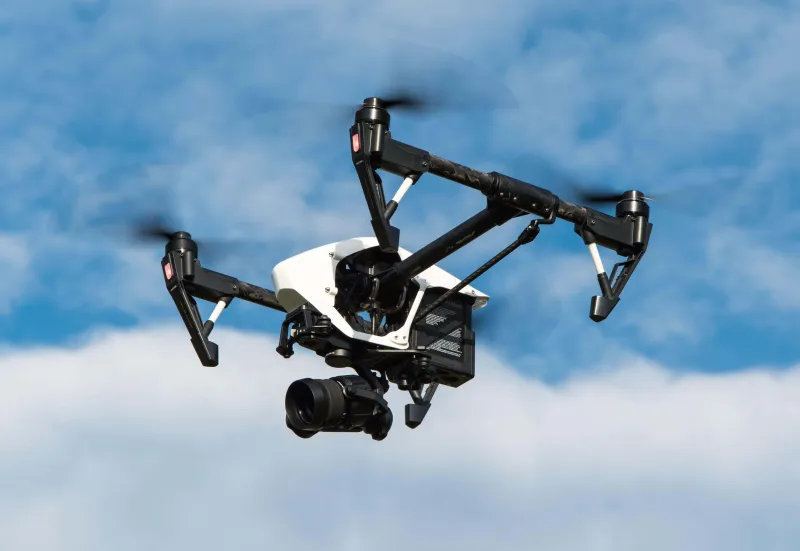
Photo: PSParrot, CC BY 2.0, via Wikimedia Commons
Buying a drone in the UK used to be a straightforward spec scrap: camera, range, battery, price. In late 2026, Remote ID belongs in that same conversation. It is not the flashiest line on a product page, but it can shape where you fly, what paperwork you keep and whether a bargain really is a bargain. The CAA's rollout has turned electronic identification into a pre-purchase question rather than something to solve after unboxing. Here is the checklist I would run before tapping buy.
Remote ID is not the same as your Operator ID
Easy to blur. Your Operator ID and Flyer ID are registration bits. Remote ID is the aircraft broadcasting an identifying signal in flight. It is an accountability layer, not a licence to fly and not a replacement for the CAA's registration scheme. If a retailer waves a CAA compliant badge at you, ask what it actually covers: registration, Remote ID, or both.
The pre-checkout checks that matter
- Exact model and SKU. Not the series name. Firmware and hardware revisions can differ between regions and batches. A drone that ships with Remote ID enabled in one market may need a different update or module in the UK.
- Built-in or bolt-on. Look for Remote ID in the manual, not just the marketing page. Ask the seller for the manufacturer declaration or the relevant manual page. If it is built in, check whether it is enabled out of the box or after a firmware update.
- Firmware status. Some aircraft need a specific firmware version before Remote ID works. Confirm whether that update is available in the UK and whether it requires an account, an app or a computer.
- Direct broadcast versus app-dependent. Direct broadcast is cleaner if you fly without a phone attached. If the system relies on an app or network connection, think about how you actually fly and what happens when signal is poor.
- Weight class and paperwork. Do not assume a sub-250g drone is automatically outside every requirement. Check the current CAA guidance for your aircraft and the way you intend to fly.
- UK stock and seller support. Grey imports can be fine, but they can also arrive without UK firmware, UK manuals or a straightforward return route. If the price looks unusually low, ask why.
- Serial number and returns. Before you peel the protective film off, check the return policy for compliance-related issues. A drone that cannot be made compliant in the UK is not a bargain.
- Current CAA guidance. Rules and interpretations move. Check the CAA's own pages as of November 2026 rather than relying on a retailer's badge or a forum post from years ago.
Built-in versus retrofit: the hidden cost
Built-in compliance is the cleanest route: no extra box, no mount, no second battery to remember. Retrofit modules are the pragmatic option for older aircraft, but they are not free. Expect roughly £50 to £150 for a basic module in 2026, before mounts or adapters; specialist or integrated units can be dearer. Check whether the module is accepted for your aircraft and whether it needs its own power source. A cheap module that blocks the gimbal, adds drag or needs recharging every flight is a false economy.
If you already own a drone that needs a module, price it before you buy another aircraft. Sometimes the module makes sense. Sometimes it is the nudge to buy a current model with the job done properly. Be honest about which one you are doing.
How it changes where you fly
Remote ID does not draw new no-fly zones on the map. It makes flying more accountable. That matters most at clubs, commercial jobs, busy parks and anywhere someone might ask who is at the sticks. If you fly solo on a quiet moor, the practical effect may be small, but the compliance question does not vanish. Buy for the flying you do most, not the fantasy flight in your head.
For beginners, the safest buying logic is simple: choose a current model with built-in Remote ID, confirm the firmware and keep the paperwork. For hobbyists with an older fleet, budget for a module or plan the upgrade. For commercial pilots, treat Remote ID as part of the asset record, alongside serial numbers and insurance. None of this is legal advice, but it is the difference between a smooth purchase and a drone that sits in the cupboard while you work out what the CAA expects.
The short version
Do not let Remote ID dominate your buying decision, but do not ignore it until after checkout. Check the exact model, confirm the compliance route, price the retrofit if there is one, and buy from a seller who can answer a straight question. The camera specs will still be there when you get home. The compliance gap is much harder to ignore once the box is open.