Bundle Blind Spots: The Extras Worth Buying Before Your First Flight — and the Filler to Skip
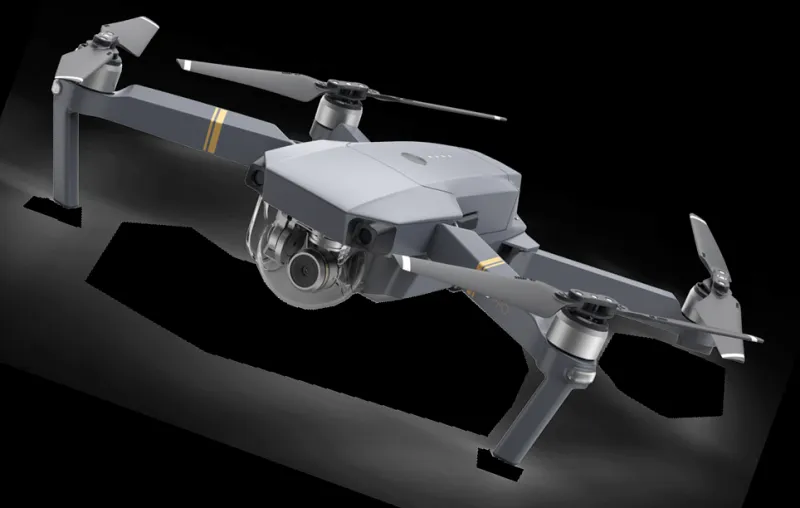
Photo: drone accessories flat lay spare batteries ND filters microSD card carry case on wooden table, via www.pngmart.com
There's a particular kind of disappointment that arrives about forty minutes into owning a new drone. The battery is flat, the memory card from your old phone is too slow to record 4K, and the "premium bundle" bag has the structural integrity of a supermarket carrier. The drone is fine. The kit isn't a kit yet.
Budgeting for accessories isn't optional — it's part of the purchase price, just deferred. Below is the order I'd buy things in, roughly ranked by how much difference each one makes to a first year of flying in Britain, with prices that reflect what UK retailers are charging in 2026.
Start with the honest total
A drone advertised at £429 will typically land you at £550–£650 once you've made it usable. That's not a con, it's just how the category is sold. The trick is deciding which extras belong in month one and which can wait until you know what kind of flyer you are.
1. Batteries and a charger that keeps up
This is the single biggest quality-of-life purchase. Most drones ship with one battery rated for 25–40 minutes, and real-world flight in British conditions is typically shorter — cold mornings knock a chunk off any lithium pack.
Three batteries is the sweet spot for a day out. Two gets you through a short session; three means you can actually scout a location, fly it properly, and still have power when the light turns good.
- Sub-250g class: roughly £50–£80 per battery.
- Larger consumer models: £90–£130 per battery.
- Multi-bay chargers: £25–£60, and worth every penny — charging three packs sequentially through one drone is a genuinely miserable way to spend an evening.
Buy the manufacturer's own batteries. Third-party lithium packs with unfamiliar branding and a suspiciously low price are the one place in this list where being frugal can end with a fire in your hallway.
2. A memory card that isn't a bottleneck
No-name cards are the classic false economy. You want a reputable brand, V30 rating or better, and 64–128 GB is plenty for most people. Expect £12–£25. Buy two, keep the spare in the case.
What you're avoiding isn't just corruption — it's the stutter that ruins a pan because the card can't sustain the write speed your camera settings demand.
3. ND filters
This one surprises beginners, but British daylight is genuinely awkward for drone cameras. To get natural motion blur at the shutter speeds videographers use, you need to cut light, and the drone's fixed aperture gives you no other lever.
A set of ND8, ND16, ND32 and ND64 will cost £25–£50 depending on the model. On an overcast day you may never use them. On a bright May afternoon over a beach, they're the difference between footage that looks filmed and footage that looks like a screensaver.
4. Prop guards
Essential if you're learning indoors or in a tight garden, optional in open fields. £15–£35 for a sub-250g model. They add a little weight and wind resistance, so take them off once you're confident — but for the first fortnight they'll save you a set of props and possibly a finger.
5. A case that survives a damp field
Ignore the soft pouch that comes in the box. A semi-rigid shoulder bag runs £35–£60 and a hard case with foam inserts £55–£90. What you're buying is protection from the two things that actually kill drones: being dropped, and being rained on while sitting in a rucksack.
A couple of silica gel sachets in the case cost nothing and are quietly one of the better ideas in this list.
6. Landing pad
£10–£20, and genuinely useful in long grass, on gravel, or anywhere the drone's downward sensors start complaining about the surface. Not essential, but it stops the gimbal eating grit.
The things that can wait
- A second controller battery — you'll rarely need it unless you're flying all day.
- Lanyards, sun hoods, tablet holders — nice once you know how you fly, pointless before.
- Range extenders and antenna mods — usually illegal to use at higher power in the UK, and always disappointing.
- Landing gear extensions — mostly a solution to a problem that doesn't exist.
The filler to actively avoid
Bundles love to pad themselves out. Watch for:
- Decorative stickers and skins marketed as "customisation kits".
- Generic carry bags that offer no padding and no water resistance.
- Cheap third-party batteries bundled to inflate the accessories count.
- "4K-ready" microSD cards with no recognisable brand and no speed class printed on them.
- Multi-piece "starter kits" where the only items you'll use are the prop guards you could have bought for £20.
A bundle isn't automatically bad value — just add up the parts you'd actually buy separately and compare. If the bundle's saving comes entirely from filler, buy the drone alone.
The two costs nobody budgets for
UK registration: a Flyer ID is free (you'll need to pass the CAA's online theory test), but the Operator ID costs around £11–£12 and renews annually. It's trivial, and it's a legal requirement if your drone has a camera or weighs 250g or more.
Insurance: your home contents policy may or may not cover a drone away from the property, and the exclusions are usually written in the smallest print in the document. A dedicated policy or a membership that includes third-party liability is worth pricing before you fly, not after.
A realistic first-year total
Take a £429 drone. Add two spare batteries (£130), a charger (£35), two cards (£30), ND filters (£35), guards (£20), a bag (£45) and registration (£12). That's roughly £735 all in — and it's a kit you can take to a National Trust car park on a grey Saturday and actually use, rather than a drone you fly for twenty minutes and then put back in the box.
The good news is most of it is one-off. Year two costs you registration and whatever you break.