Scales Don't Lie: The All-Up Weight Test That Decides Your Mini Drone's UK Rules
The number on the box is not the number that counts
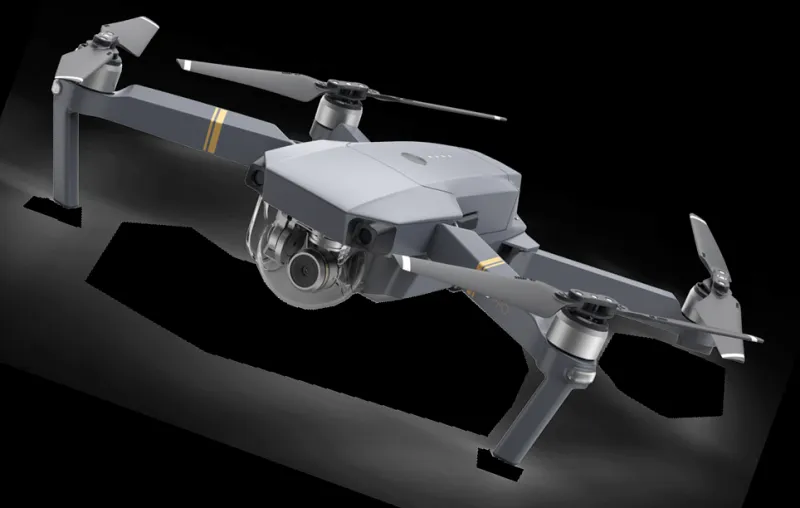
Mini drones are sold on a magic figure: 249g. It is just under the UK's 250g threshold, and it buys a very specific set of privileges under the CAA's Open Category. The trouble is that 249g usually refers to a bare aircraft with the standard battery, props and nothing else. Your flying setup is rarely that tidy.
A strobe for visibility, a lens hood, landing gear, prop guards or a higher-capacity battery can all add grams. Stack enough of them and your 'Mini' is no longer a sub-250g aircraft in the eyes of the regulator. That does not make it illegal to fly. It does change the rules you fly under — and the paperwork you need before you take off.
This is a buying-guide problem as much as a flying problem. If you are choosing accessories for a lightweight drone, you need to think about the all-up weight before you click buy, not after you have fitted everything and wondered why the CAA guidance suddenly looks different.
What actually changes above 250g
In the UK, the sub-250g line is not a marketing bracket. It is a regulatory one. A drone with a maximum take-off mass (MTOM) below 250g sits in the least restrictive part of the Open Category. You do not need a Flyer ID to fly it, although you still need an Operator ID if it has a camera. You can fly in A1, close to people, provided you do not fly over crowds.
Once the aircraft's MTOM reaches 250g, the Flyer ID becomes part of the picture. You also move into a different set of separation expectations: in A1 you must not fly over people, and for many pilots the practical answer is A3 — well away from people and built-up areas — unless they have done the A2 certificate. Insurance arrangements can vary too, so check your policy rather than assuming the old cover still fits.
The key phrase is maximum take-off mass. It means the aircraft as it is configured for flight, including battery, props, camera, SD card and anything bolted to it. The CAA is not interested in what the box said. It is interested in what is actually flying.
How to weigh your setup properly
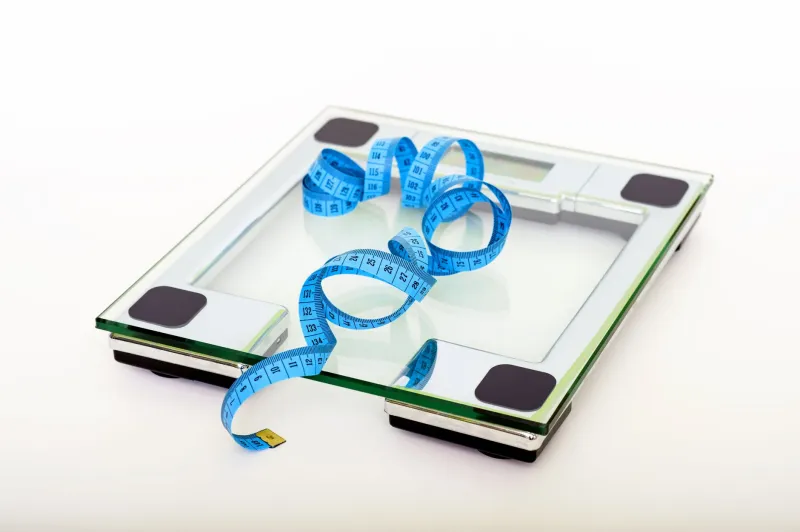
You do not need laboratory equipment. A decent digital kitchen scale is fine, but use it sensibly.
- Weigh the aircraft ready to fly. Battery in, props on, SD card in, camera fitted. If you fly with a strobe, mount it. If you use landing gear, fit it. If you use a lens hood, leave it on.
- Weigh the accessories separately. That way you know what each one costs you in grams — and what you can remove if you need to get back under the line.
- Use a scale with 1g resolution. A 5g margin is not much when a mount and a strobe can easily add 15g. If your setup lands at 248g, treat that as 'probably over' once you add a lanyard, a sticker or a slightly different battery.
- Weigh it three times. Cheap scales drift. Put the drone on, take it off, zero the scale, repeat. If the numbers disagree, find a better scale.
- Check the manufacturer's MTOM. Treat it as a baseline, not gospel. It tells you what the standard configuration weighs, but it will not account for your accessories.
A useful habit is to write the weights down. Aircraft, battery, strobe, mount, guards, hood. Then you can do the sum before a flight instead of guessing at the field.
The accessories most likely to tip you over
Strobes and visibility lights. These are the classic culprits. A small strobe can be a few grams; a brighter one with a bracket and cable can be considerably more. If you fly at dusk or in low light, a strobe is a genuine safety aid. But if it pushes a 249g drone over the line, you need to decide whether you want the visibility badly enough to accept Flyer ID and the associated restrictions.
Prop guards. Often sold as beginner protection, they can add a surprising amount of weight. They are useful if you are learning indoors or in tight spaces, but they are also one of the easiest ways to turn a sub-250g drone into a 250g-plus aircraft. If you only need them for early flights, weigh them separately and remove them once you are confident.
Landing gear. Taller legs help on rough ground and keep the gimbal away from wet grass. They are also grams you cannot ignore. If you fly from a flat field most of the time, they may not earn their place. If you fly from beaches, gravel or uneven ground, they might.
Lens hoods and filters. ND filters are usually negligible. A bulky lens hood or a filter holder with a clamp can be heavier. Check the actual weight rather than assuming 'it's only a filter'.
Bigger batteries. This is the big one. A higher-capacity battery can add flight time, but it can also add 20g, 30g or more. A drone that is 249g with the standard battery may be comfortably over 250g with the extended one. If flight time is the reason you bought the drone, that trade-off may be worth it — but only if you are happy with the paperwork and separation rules that come with it.
Payload mounts and accessories. Action-camera mounts, brackets, small lights, tracker holders and DIY attachments all count. If you are fitting a payload, you are almost certainly changing the aircraft's MTOM. Weigh the whole assembly, not just the payload.
Which accessories are worth the regulatory trade-off?
There is no universal answer, but a few rules of thumb help.
A strobe is worth considering if you genuinely fly in low light and want to be seen. But if you only use it occasionally, make it removable and fly without it when you do not need it. A lens hood or ND filter is usually worth keeping if it adds only a gram or two. Landing gear is worth it if it solves a real problem — wet grass, rough ground, gimbal clearance — and not if it is just for looks. Prop guards are worth it for early training, then often worth leaving at home.
Bigger batteries are the most consequential choice. If the extended battery takes you over 250g, you are effectively buying a different category of aircraft. That may be fine. Just do not tell yourself it is still a sub-250g drone because the shell says 'Mini'.
The practical buying check
Before you buy accessories for a lightweight drone, do three things. First, find the manufacturer's MTOM for the standard configuration. Second, add the weights of the accessories you actually intend to fly with. Third, leave yourself a margin — 5g to 10g is sensible, not paranoid.
If the total is close to 250g, decide now whether you are willing to get a Flyer ID and fly under the higher-weight rules. If you are not, buy the lighter accessory or skip it. If you are, buy it knowingly. The worst outcome is a bag full of accessories that quietly moved your drone into a different category without you noticing.
In the UK, the 249g figure is a useful starting point. It is not a guarantee. Your scale, your setup and your willingness to do the sums are what actually decide which rules you fly under.